The year begins for me with the squeak of icy leather and steeds puffing white breath airborne, and it winds through mud, wildflowers, dirt, and mica-bright frost. I note time by shedding blankets, by shaggy layers smoothing to summertime gloss, by the first day the field ground seems like brown sugar once again after hefty rain. The job changes with the seasons too. Somatic healing with steeds is not one static procedure. It is a technique that solutions to the ground underfoot, to herd power, to the selves our clients bring in January and in July.
People commonly get here distressed, overstimulated, or separated from their bodies. They leave, more often than not, a little bit steadier. Some come seeking equine-assisted activities to develop electric motor preparation or social skills, others for equine-facilitated health after burnout, and teams get here intending to see each other in brand-new ways with group structure with steeds. What resembles a leading workout or a grooming ritual is likewise a conversation about borders, co-regulation, and timing. Equines are straightforward partners, and the schedule is a co-facilitator. If we pay attention, both will inform us what to do next.
What horses educate concerning regulation
Before we roam with the calendar, it aids to comprehend why steeds belong in the area when we talk about nervous systems. As target pets, equines live by checking out refined shifts in posture, tension, breath, and intention. They notice the hand that tightens ever before so a little prior to a pull, the eye that glimpses past them instead of towards them, the individual who holds their own breath. This is not mysticism, just really fine pattern acknowledgment in a 1,000-pound nervous system.
When we practice healing horsemanship, we invite clients into that feedback loophole. A teen with ADHD learns that if he barrels right into the horse's space with scattered focus, the gelding will relocate away. When he softens his knees, feels his feet, and looks where he intends to go, the horse complies with. A manager in an equine-assisted mentoring session uncovers that a mare that ignored her requests starts walking the moment her voice and step suit, positive yet not aggressive. A grown-up with persistent anxiousness attempts leading with a loose line and notifications the equine drift. A tiny correction in her breathing and shoulders and the horse lines up like a magnet finding north. None of this can be scripted in a conference room.
The job is somatic since it is based in bodies. We make use of touch, activity, rhythm, and breath alongside reflective discussion, not as add-ons however as main tools. This is why the periods matter. Warmth, cool, wind, and light form bodies and behavior, human and equine.
Spring: rekindling, pacing, and authorization to be new
Spring reveals itself in hair. We curry winter season coats into soft hills at the equines' feet and accumulate fixed shocks along the way. The ground considers thawing, after that refreezes overnight. Every little thing remains in change, including attention spans. Customers typically arrive large and quick-tempered after months inside, anxious to run before walking.
I like to use this unpleasant period to exercise pacing. In equine-assisted services that focus on stress and anxiety support with horses, we could invest an entire session on exactly how to approach grooming when both horse and human are a little scratchy in their own skins. We discuss significant stops briefly. We see exactly how a draft cross sighs when you reduce your wrist rather than scrubbing. After that we play with relocating from stillness to activity, asking a peaceful stroll, then stopping, after that breathing again, teaching micro-gear shifts.
For kids in an autism equine discovering program, spring is rich region for sensory exploration. The rasp of losing blades, the tickle of loosened hair on forearms, the heat under the mane where the sun has not reached, all of it can be catalogued without judgment. We model selections: attempt the jelly curry, or avoid the stomach if that is way too much today. A kid that flinched at the steel brush in March might, by late April, endure it for a few swipes if he manages the pace and swaps to a softer mitt when he asks. That is Alternative treatment for sensory obstacles at work, not a magic solution however a negotiated truce.
We likewise review limits. In sloppy seasons, equines can be crankier about feet handling, and individuals can be much less based on glossy surfaces. We scale the ask to the footing. If a mare is worried about sliding, we switch over from arena resulting in field strolling on the ridgeline where it drains pipes much better. If wind rattles the doors on a gusty day, we attend to that arousal before we ask for focused job. Occasionally this means beginning with a stroll along the fenceline to allow everybody scan and resolve, including the equine. Somatic job values the nerves's power structure: security initially, link 2nd, finding out third.
Spring shows up in group programs too. For experiential knowing with equines, I such as a task that discloses assumptions. Place 3 cones in a zigzag and ask a team to relocate two horses via the course without touching the lead ropes. See exactly how they plan, just how they adapt when the gelding makes a decision the middle cone is a scratching message. Debrief not simply what they did, however how their power rose and fell together. A group that begins the period believing rate amounts to performance usually leaves admiring one colleague's perseverance when he waits for the mare to stop sniffing before he asks her to tip. Timing like that is leadership.
Summer: ability, clarity, and the self-control of rest
By June, layers radiate and the field bakes. Flies test everybody's mood. We change to early mornings and nights to spare joints and moods. Procedure reduce a touch, or they consist of built-in cooling breaks. Summer season asks concerns about ability and authorization, styles that convert directly to daily life.
On warm days, a client learning ADHD equine discovering assistance approaches could practice making clean, easy demands. Clarity spares power. Rather than a string of words and motions, we shape: stand with your toes at the shoulder, inhale, step, breathe out, pause. The horse values it. So does the customer, that finds out that a clear cue conserves attention and minimizes rework. If emphasis totters, we use the heat as an instructor. Is this a body asking for color and water, not a lot more initiative? We stabilize the check. Many people with ADHD are utilized to forcing through tiredness. Watching an equine plant himself under the only tree and flick a check out the fly mask is a tip that intelligent beings manage stimuli as component of efficiency, not as the adversary of it.
Summer is also an outstanding time for equine-assisted mentoring with leaders and groups. Outdoor space permits larger problem-solving activities. One favored usages barrels and poles to construct a pathway that a loosened horse will certainly select to stroll. It resembles play, and it is, yet it highlights influence without control. A group may spend twenty mins corralling alternatives and afterwards recognize that the horse follows the individual that walks the course with conviction instead of the one waving arms at the finish line. In a post-project debrief later that month, somebody will point out that memory when they pick to model an action as opposed to send an additional tip email.
People managing anxiety frequently find in summer that their nerve system can downshift much faster outdoors. We capitalize on cicadas and the rhythm of hooves to practice a discreet variation of box breathing that is much less noticeable in a team setting. 4 footfalls inhale, 4 hold, 4 exhale, 4 hold. We combine it with a tactile anchor like the lead rope's weave under the hand. Over time, the body stores this pattern. I have seen clients utilize it in supermarket or on aircrafts. The equine, on the other hand, replies to the softened hand in actual time, enhancing the choice.
We talk typically regarding permission, especially with children and in healing horsemanship lessons. Does the steed state yes when you raise the hoof? If he leans his weight and averts, what does no appear like, and exactly how do you react? Often the solution is to break the task into components. Get for one second, release, appreciation, repeat. In some cases the response is to address the flies that make him stomp. Sometimes it is to switch over to front feet just and review back feet an additional day. Limits are mutual. The barn is a place where nonverbal no is valid, and that message lugs much beyond the cross-ties.
Autumn: changes, harvesting abilities, and releasing perfect
I love the loss herd. They move with function, glossy layers turning plush, power climbing in crisp air. People get here all set to start brand-new routines as institution resumes or reset. It is an all-natural season for refining skills and naming what job settled in the very first two quarters of the year.
In autism equine learning programs, this may look like a cyclist who began in March simply rubbing a pony's neck currently running basically intervals while 2 sidewalkers and a leader coordinate like a choir. We celebrate the initial ten actions that are consistent and well balanced more than a complete lap finished with jumping hands. Somatic discovering favors quality over quantity. The proprioceptive responses of a well-organized stride adjusts the nerves much more than an unpleasant rush.
For clients utilizing anxiousness support with equines, we lean into shift technique. Installing and getting down, walking to running then back to strolling, leaving the herd to go into the field after that rejoining without drama, these are practice sessions for real life. Some people are brilliant starters and harsh landers. Others stay clear of beginnings entirely. Horses provide prompt, neutral mirrors. If you clinch approaching the mounting block, the equine may tip away. If you droop at the end, he might quicken to fill the vacuum. We break changes into trainable pieces, then stitch them with each other, and we celebrate when a customer says, Last week I used the very same breath and matter when I relocated from e-mail to the hard phone call. That transfer is the point.
Autumn also invites reflective training. In equine-facilitated training, we could set up a visual timeline along the field rail with cones called for landmarks. A client walks the line with an equine free, stopping where the steed quits. The stops briefly end up being motivates. Exists something right here that desires attention? In some cases the horse terminals at Resourcing, a cone we set early as a tip that support belongs to progress. We speak about what resourcing resemble in their job or family. We talk about the technique of asking. The horse nudges the cone and takes a look at the individual. The message lands.
Team structure with horses frequently comes to a head in loss. People have adequate common history from the year to make patterns noticeable, and the weather condition invites longer outdoor sessions without the thaw of August. We may work with a straightforward problem, like relocating 3 various equines through a labyrinth without ropes. Each horse requests for a different leadership style. The delicate mare adheres to breath and posture. The stoic gelding needs a firm, respectful invitation. The smart horse makes a game of every regulation. Teams leave with language that sticks: Please do not pony me. Or, I am the gelding today, so be clear and kind.
Winter: little circles, deep work, and the worth of quiet
Winter is honest. Cold trims the added from every plan. Procedure tighten to 45 or 60 minutes relying on wind and ground. Some days we remain in the protected sector or the barn aisle. On those days the work strengthens differently. There is nowhere to hide behind speed or sophisticated sets up. It becomes regarding presence.
Somatic recovery with steeds in wintertime commonly centers on touch and micro-movements. A grooming session with a thick dandy brush and towel comes to be a conversation regarding pressure, direction, and duration. People that rush without discovering feel the distinction between brisk and rough. We practice co-regulating hands. Someone grieving a loss will certainly tell me in January that the only area they can endure being touched was under a horse's neck, fingers buried in the warm area where the winter coat components. That is a legitimate form of care.
For ADHD equine learning support in winter season, we lean right into structure. Clear starts, middles, and ends aid when daytime is short and within life is long. We might build three pens right into a session: halter on, complete a straightforward pattern, end with 5 mindful breaths prior to going back to the herd. Repetition across weeks transforms these into supports. On days when institution felt like static, the predictability is a balm. The horse benefits too. Predictable asks are fair.
Equine-facilitated wellness in wintertime often means confessing that psychological lots is heavy and energy is thin. We normalize interior foundation, pedestals, and freedom operate at the stroll. We track tiny wins. A mare who has actually never filled her back feet on a pedestal steps up with one toe, then one more, and the customer chuckles for the very first time in weeks. Development seldom appears like a movie montage. In January, it frequently looks like a sip of warm tea, a pile of clean hay, and a clear boundary drawn kindly. Horses recognize that rhythm.
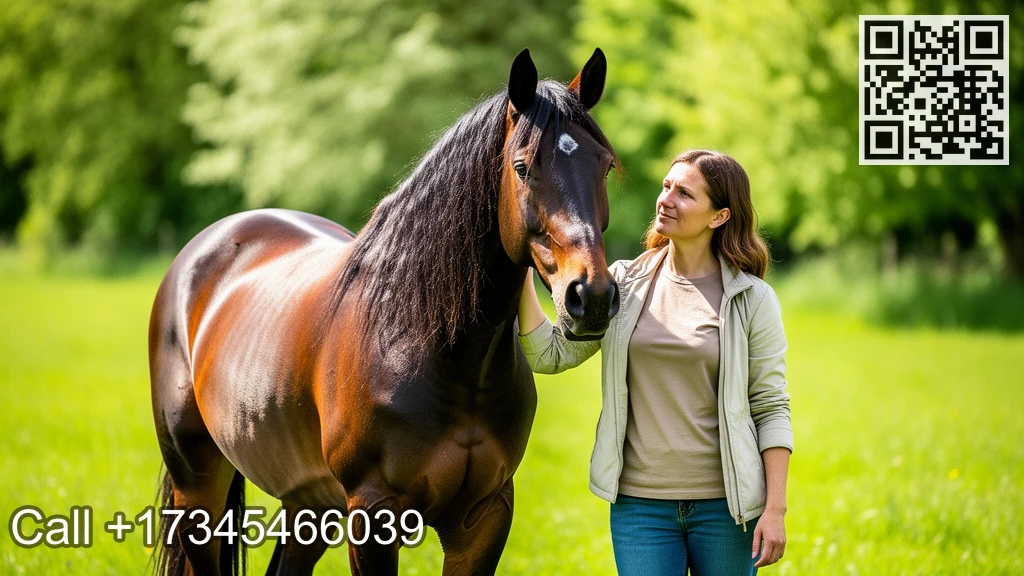
This is also the period when security conversations get extremely actual. Ice means we cancel or shift focus. Cold means we watch for indicators of human and equine pain, and we select tasks that appreciate joints and lungs. Permission, once again, involves the front. I have actually rescheduled more sessions for a mare that tells me with limited lips and an inflexible back that she does not wish to leave her herd on a subfreezing day than I can count. That is not failing; it is modeling.
How sessions really run
Year-round, the bones of excellent equine-assisted services stay consistent even as the muscles change. Intakes are extensive and collaborative. We collect backgrounds, sensory accounts, goals, and restrictions. We communicate with therapists and teachers when proper. We match steeds to customers based on personality, dimension, and tolerance for novelty.
Most sessions run 45 to 90 mins. The very first 10 to 15 mins are for arrival and nerves check-in. A short walk, a grooming routine, or a moment at the fence can tell us greater than a survey. Then we build toward 1 or 2 focused activities lined up with goals. In restorative horsemanship, that could be installing and exercising guiding shapes at the walk, with installing block job rated detailed for equilibrium and self-confidence. In equine-assisted coaching, it could be a brief collection that discloses a leadership pattern, followed by time to check out a different technique. We always leave area for metabolizing, which is a fancy word for giving body and minds time to sign up modification. That might be leaning on a fence rail watching the herd, or it could be a five-minute hand-walk on a loose line to feel what solidity is like.
We measure outcomes without requiring numbers where they do not belong. Some data are concrete: a rider who can not maintain an independent seat in March currently holds it momentarily each time by November; a customer who needed 2 sidewalkers now needs one. Attendance documents show whether we are holding a routine. Safety and security reports inform us about fit and well-being. Other information are narrative however no less genuine: a parent's note that grocery journeys are less meltdown-prone since their kid found out a stop-breathe-go pattern with a sturdy horse; a supervisor reporting fewer escalations after exercising concise demands in the arena.
Choosing the ideal program for the right person
Equine-assisted solutions sit under a wide umbrella, and not all offerings fit all needs. Healing horsemanship facilities commonly serve a mix of cyclists and ground-based participants. Equine-assisted activities include video games, barn skills, and herd monitoring. Equine-facilitated mentoring concentrates on management and personal advancement. Equine-facilitated health often tends to integrate tension reduction and mindfulness. There are additionally scientific designs, like equine-assisted psychiatric therapy, that need to be supplied by certified mental health professionals with equine specialists.
If your goal is motor preparation or balance, search for instructors accredited in adaptive riding that comprehend exactly how to grade jobs and make use of steed activity to stimulate core interaction. If your objective is to explore interaction designs or dispute patterns, seek professionals knowledgeable in coaching that make risk-free experiments rather than talks. For anxiety assistance with steeds, discover teams that clearly name co-regulation and approval, and that dressmaker sessions to sensory needs. For Alternative therapy for sensory challenges, ask how the program takes care of overstimulation and what opt-outs exist. For an autism equine learning program, ask about visual schedules, communication sustains, and exactly how the barn adapts for nonverbal participants. A great fit really feels calmness in your body on the trip. You ought to see steeds with soft eyes and options to claim no, and individuals who respect that.
Weathering the sides: contraindications and trade-offs
Not every person belongs in every equine setup. There are medical and behavior contraindications that matter. Unchecked seizures, breakable bones, and particular shunt placements can make placed job dangerous. Ground-based alternatives might still be readily available with suitable supports. Severe allergic reactions can be taken care of with masks, antihistamines, or by working at a range, however sometimes the barn is merely not possible, which is a sincere solution. Hostility toward pets is not a training opportunity in this context; it is a hard quit up until a different layer of care is established.
Even when a person is an excellent candidate, we respect sides. A teen with PTSD might find herd motion triggering in a congested field. We can work with a single constant gelding in a smaller room, after that later on transfer to much more complex settings. A kid that craves stress might lean too hard right into a horse's side. We show alternate proprioceptive inputs first, like pressing a therapy round, then revisit steed hugs with clear approval and positioning. Compromises become part of honest technique: a somewhat much shorter session that upright a good note beats a long session that overruns the nervous system's capacity.
What periods ask of personnel and horses
Year-round solution is just lasting with attention to the welfare of both horses and human beings. Horses require time off, varied work, and treatment that adapts to weather. In high heat, workload drop and electrolytes rise. In mud period, we look at hooves and change yield to conserve pasterns. In wintertime, burying and hay methods keep problem ideal without overheating throughout easy work. The best programs I have actually seen keep a herd of different body types and characters so suits can be thoughtful as opposed to forced.
Staff handle their very own policy also. Dealing with anxious customers and sensitive pets in variable climate is except individuals who white-knuckle with pain. Our group makes use of fast groundings in between sessions, clear radios for communication, and seasonal debriefs to adjust procedures. Burnout avoidance is not a luxury. Clients feel it when we are fried, and horses constantly know.
A few functional pointers for visiting in any type of season
- Wear closed-toe shoes with step, layers you can peel or add, and handwear covers in chilly months. Hats that do not flap are best on windy days. Bring water year-round, and in summer include a salted treat. Hydration helps your body learn. Arrive ten mins early to take a breath and see the herd. This establishes a calmer tone than sprinting in hot. Tell your facilitator concerning any kind of sensory obstacles on the day, even if you have actually shared history. Today is new. Ask what of course and no appear like for the steed you will meet, after that practice identifying them.
Stories that remain with me
In early springtime, a seven-year-old on the autism range showed up putting on noise-canceling earphones and a superhero cape. https://cristianpgmv218.lucialpiazzale.com/hands-unguis-and-heart-experiential-discovering-that-lasts He had declined haircuts all winter. We made the losing blade a spacecraf tool and asked approval before every stroke. He lasted 3 mins the first week. By the fourth, he groomed for ten, then agreed to 2 snips of his own bangs in your home, spacecraf scissors approved. His mother sent out an image. The cut was jagged, and it was perfect.
One summertime night a manager came for equine-facilitated coaching, clinched about a workers decision. We did a leading exercise with a mare known for being no one's fool. The mare planted unless asked easily. He attempted more challenging and got nowhere. He went back, exhaled, and asked in six peaceful actions. The mare moved. He chuckled, after that cried, and later on that week he held a difficult discussion without bluster. He informed me, I quit trying to drag it throughout the finish line and welcomed her to walk.
In October, a teenage biker with ADHD, in lessons because April, nailed a serpentine pattern at the stroll with consistent, soft hands. The pattern itself was not the heading. It was the means he breathed prior to each modification of bend. In math class he began to take a breath by doing this before word problems. His educator saw fewer blurts. It was not a miracle. It was method that transferred.
In January, a widower invested three sessions standing with an old gelding in the aisle, one hand on the steed's chest, the various other on his own. They breathed. He stated really little. On the 5th week, he murmured, I can feel my feet again. After that he asked to discover to lead.
Year-round ways year-round learning
The present of a seasonal method is that it rejects to let you fossilize. Spring presses you to pace. Summertime asks for quality and rest. Loss welcomes you to fine-tune and call. Winter season pares things down to existence. When individuals ask what equine-assisted solutions are for, I talk about these cycles as long as I talk about outcomes. The work does not live just in the goal chart. It stays in the method a youngster endures a brand-new texture, a supervisor picks a cleaner sign, a household takes a breath together at a pasture gate.
Horses satisfy us where we are, in mud, warmth, leaves, or frost. They request for honest requests and they provide sincere replies. If we build programs that pay attention to them, and to the seasons, individuals find their way back to their own timing as well. That is the silent promise of year-round equine-facilitated health and training, of restorative horsemanship and equine-assisted tasks that appreciate the calendar as a teacher. The stories are not cool. They are lived. They smell like hay and natural leather and rain, and they sound like hoofbeats counting the breath.